tchibo coffee machine manual
Tchibo Coffee Machine Manual: A Comprehensive Guide
Welcome! This manual provides detailed instructions for Tchibo coffee machines, ensuring optimal brewing and enjoyment of your favorite coffee blends at home, today.
Tchibo has established itself as a prominent player in the home coffee experience, offering a diverse range of coffee machines designed to cater to various preferences. From fully automatic machines to espresso options like the Cafissimo Pure Plus Red, Tchibo prioritizes delivering rich, flavorful coffee directly to your kitchen. These machines are often pre-configured to work seamlessly with Tchibo coffees, ensuring a harmonious blend of machine and bean.
The brand’s commitment extends beyond just the machines themselves; they also provide a comprehensive ecosystem of accessories, including filters, cleaning solutions, and milk containers, to enhance and maintain your brewing setup. Exploring Tchibo’s range allows you to discover the perfect equipment to elevate your daily coffee ritual, with models available at various price points, such as the Espresso Machine priced at 529.00.
Understanding Tchibo Coffee Machine Models
Tchibo offers a spectrum of coffee machine models, each designed with specific features to suit different coffee lovers. The Automatic Coffee Machine stands out with its 6 grinding levels and 6 foam levels, providing extensive customization. Other popular options, while not directly Tchibo branded, frequently appear alongside Tchibo machines in consumer searches – like the Nespresso Citiz and Ninja Luxe Premier ES601UK.
The Esperto2 Caffe Titanium Silver model, priced around 287.49, exemplifies Tchibo’s focus on delivering quality at a competitive price point. Understanding these models involves recognizing their core capabilities: bean-to-cup brewing, pre-programmed drink options (often around 5), and compatibility with various coffee types. Delivery times for these machines vary, so checking current availability is recommended when considering a purchase.
Key Features of Tchibo Automatic Coffee Machines
Tchibo Automatic Coffee Machines are engineered for a premium coffee experience, boasting several key features. A standout is the granular control offered by 6 grinding levels, allowing users to tailor the coffee’s texture to their preference. Similarly, 6 foam levels enable customization of milk-based drinks, from light froths to dense, creamy textures.
These machines are primarily designed for use with coffee beans, ensuring maximum freshness and flavor. They typically offer around 5 pre-programmed drink options, simplifying the brewing process. Furthermore, Tchibo machines are often pre-configured to optimally brew Tchibo coffees, guaranteeing a harmonious blend of machine and bean; The branding often focuses on white-label machines, priced around 529.00, emphasizing quality and convenience.
Grinding Levels and Adjustment
Tchibo Automatic Coffee Machines feature six distinct grinding levels, providing precise control over the coffee’s particle size. Finer grinds are ideal for espresso, extracting a robust and concentrated flavor. Coarser grinds are better suited for filter coffee styles, resulting in a smoother, less intense brew.
Adjusting the grinding level is crucial for optimizing coffee extraction. If the coffee tastes bitter, a coarser grind may be necessary. Conversely, if the coffee is weak or sour, a finer grind is recommended. Experimentation is key to finding the perfect setting for your preferred beans and taste. The machine’s interface allows for easy adjustment, ensuring a consistently delicious cup every time. Proper grinding unlocks the full aromatic potential of your coffee beans.
Foam Levels and Customization
Tchibo coffee machines offer six adjustable foam levels, allowing you to create a variety of milk-based beverages to your exact preference. From a delicate microfoam for latte art to a thick, luxurious froth for cappuccinos, the possibilities are endless. The intuitive controls enable precise customization of foam density and texture.
Experiment with different foam settings to discover your ideal consistency for each drink. For a classic cappuccino, a denser foam is preferred, while a latte benefits from a lighter, airier texture. The machine’s automated milk system ensures consistent results every time. Enjoy perfectly frothed milk, enhancing the overall coffee experience and bringing café-quality beverages into your home.
Coffee Bean Compatibility
Tchibo automatic coffee machines are primarily designed for use with whole coffee beans, delivering the freshest and most flavorful results. However, the machines are pre-configured to harmonize perfectly with Tchibo coffees, ensuring optimal extraction and aroma. While compatible with other bean varieties, performance may vary depending on bean type, roast level, and oil content.
For best results, use freshly roasted beans and store them in an airtight container. Avoid oily or excessively dark roasted beans, as these can potentially clog the grinder. The grinder settings can be adjusted to accommodate different bean characteristics. Experiment to find the ideal grind size for your preferred bean, maximizing flavor and minimizing residue.
Number of Drink Options
Tchibo automatic coffee machines offer a versatile range of drink options to satisfy diverse preferences. Many models, like the Tchibo Automatic Coffee Machine, feature at least five pre-programmed drink selections. These typically include espresso, coffee, cappuccino, latte macchiato, and hot water for tea preparation.
Some advanced models may offer even more customization, allowing users to create and save personalized drink profiles. Adjusting parameters like coffee strength, volume, and milk froth levels expands the possibilities. Explore the machine’s menu to discover all available options and tailor your coffee experience. The intuitive interface makes selecting and enjoying your favorite beverage simple and convenient.
Setting Up Your Tchibo Coffee Machine
Initial setup is key! Properly prepare your Tchibo machine by installing components and configuring settings for optimal performance and delicious coffee brewing.
Initial Machine Preparation
Before your first cup, unpack your Tchibo coffee machine and remove all packaging materials. Carefully inspect the machine for any visible damage that may have occurred during shipping. Place the machine on a stable, level surface near a grounded electrical outlet. Ensure there’s sufficient space around the machine for ventilation and easy access for maintenance.
Connect the power cord to the machine and the outlet, but do not turn the machine on yet. Familiarize yourself with the control panel and various buttons. Refer to the quick start guide included with your model for a visual overview. It’s crucial to understand the basic functions before proceeding. This initial preparation ensures a smooth and trouble-free experience, setting the stage for consistently excellent coffee.
Water Reservoir and Filter Installation
Locate the water reservoir, typically at the rear or side of the Tchibo machine. Remove it and rinse thoroughly with fresh, potable water. If your machine includes a water filter, now is the time to install it. Insert the filter into its designated holder, ensuring it clicks securely into place. This filter significantly improves water quality and coffee taste, reducing limescale buildup.
Fill the reservoir with fresh, filtered water to the maximum fill line indicated. Avoid using distilled or previously boiled water. Reinsert the reservoir firmly into the machine, verifying it’s properly seated. Proper water reservoir installation is vital for optimal brewing performance and preventing leaks. Regularly replacing the water filter, as recommended, maintains coffee quality and machine longevity.
Bean Hopper Loading and Settings
Open the bean hopper lid, usually located on top of the Tchibo machine. Carefully pour your preferred coffee beans into the hopper, avoiding overfilling. The machine is preconfigured to harmonize perfectly with Tchibo coffees, but compatible with other beans too. Ensure no foreign objects are present within the beans.
Once filled, close the lid securely. Access the machine’s settings menu to adjust the grinding level. Tchibo machines typically offer six grinding levels, allowing you to customize the fineness based on your bean type and desired strength. Experiment to find your ideal setting. Some models also allow adjustment of the bean hopper quantity. Regularly check and clean the bean hopper to maintain freshness and optimal performance.
Brewing Coffee with Your Tchibo Machine
Let’s brew! Select your desired coffee strength, drink type, and volume using the intuitive control panel for a perfect cup, every time.
Selecting Your Coffee Strength
Adjusting the intensity of your brew is simple with Tchibo machines. Most models offer a range of strength settings, typically indicated by bean icons or numerical levels. Experiment to discover your perfect preference! A lower setting yields a milder, more delicate flavor, ideal for lighter roasts or those sensitive to caffeine. Conversely, a higher setting delivers a bolder, more robust coffee, perfect for dark roasts and a powerful morning kickstart.
The machine adjusts the amount of coffee grounds used per brew to achieve the desired strength. Remember that bean type and grind size also influence the final result. For example, finely ground beans extract more flavor quickly, potentially leading to a stronger brew even at a lower strength setting. Explore the interplay between these factors to truly personalize your coffee experience. Don’t be afraid to try different combinations!
Choosing Your Drink Type
Tchibo machines offer a versatile range of coffee beverages. Many models boast five or more pre-programmed drink options, including espresso, coffee, cappuccino, latte macchiato, and Americano. Navigate the menu using the machine’s control panel – typically a combination of buttons and a display screen. Select your desired drink, and the machine will automatically adjust brewing parameters like coffee volume, water temperature, and milk frothing (if applicable).
Some machines allow for customization of these pre-set drinks. You might be able to adjust the milk-to-coffee ratio for cappuccinos or the strength of the espresso base. Explore the settings to fine-tune each drink to your exact liking. Remember to consult your specific model’s manual for detailed instructions on accessing and modifying these options. Enjoy the convenience of café-quality beverages at your fingertips!
Adjusting Coffee Volume
Tchibo coffee machines allow precise control over the amount of coffee brewed per serving. This is typically adjusted through the machine’s user interface, often using the “+” and “-” buttons or a dedicated volume control setting. The volume is usually displayed in milliliters (ml) or ounces (oz) on the machine’s screen. Start with the default volume for your chosen drink type and incrementally adjust it to achieve your preferred strength and cup size.
Remember that adjusting the volume affects the overall intensity of the coffee. A smaller volume will result in a stronger, more concentrated brew, while a larger volume will produce a milder, more diluted coffee. Experiment to find the perfect balance for your taste. Save your preferred settings for consistent results every time you brew.
Using Pre-Ground Coffee (If Applicable)
Some Tchibo coffee machine models offer the flexibility of using pre-ground coffee, providing convenience when beans aren’t available. Locate the designated pre-ground coffee compartment, usually a separate funnel or chamber. Ensure the machine is switched on before adding coffee. Add the desired amount of pre-ground coffee – typically one to two tablespoons per cup – and gently level it.
Select the pre-ground coffee option within the machine’s menu. The machine will then brew using the pre-ground coffee instead of grinding beans. Remember that using pre-ground coffee may slightly alter the flavor profile compared to freshly ground beans. Always store pre-ground coffee in an airtight container to maintain freshness.
Maintenance and Cleaning
Regular upkeep is crucial for optimal performance and longevity of your Tchibo machine; daily cleaning, descaling, and milk system care are essential steps.
Daily Cleaning Procedures
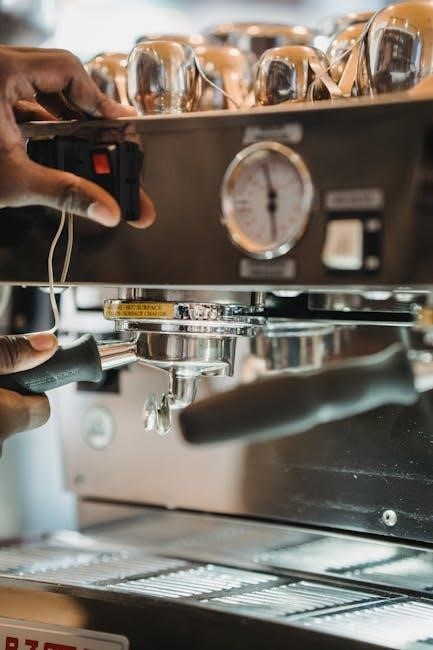
Consistent daily cleaning significantly extends the life of your Tchibo coffee machine and ensures the best possible coffee flavor. After each use, promptly empty the drip tray and the grounds container. Rinse these components thoroughly with warm water. Wipe down the exterior of the machine with a soft, damp cloth to remove any spills or coffee residue.

The brewing unit requires regular attention. Remove it according to your model’s instructions and rinse it under running water, ensuring all coffee grounds are eliminated. Pay close attention to any small crevices where grounds might accumulate. For machines with a milk system, clean the milk frother immediately after each use to prevent milk buildup. Utilize a damp cloth to wipe down the frothing wand and any detachable milk containers. Following these simple steps daily will maintain your Tchibo machine in prime condition.
Descaling Your Tchibo Machine
Regular descaling is crucial for maintaining optimal performance and preventing damage to your Tchibo coffee machine. Mineral deposits from water can accumulate over time, hindering the machine’s heating efficiency and affecting coffee taste. Use a commercially available descaling solution specifically designed for coffee machines, or a mixture of water and white vinegar (follow your machine’s manual for correct ratios).
Initiate the descaling cycle as outlined in your Tchibo machine’s instructions – typically involving filling the water reservoir with the descaling solution and running a special cleaning program. After the cycle completes, thoroughly rinse the reservoir with fresh water, running several brewing cycles to eliminate any residual descaling solution; Descale your machine every 2-3 months, or more frequently if you have hard water.
Cleaning the Milk System (If Applicable)
Maintaining a clean milk system is vital for hygiene and optimal frothing performance in Tchibo machines with milk capabilities. After each use, immediately rinse the milk container, frother, and any connecting tubes with warm water. Disassemble the milk system components regularly for a more thorough cleaning, using mild dish soap and a soft brush to remove milk residue.
Periodically, perform a dedicated milk system cleaning cycle, if your machine offers one, utilizing a specialized milk system cleaner. This helps eliminate stubborn milk fats and prevents blockages. Ensure all parts are completely dry before reassembling. Neglecting milk system cleaning can lead to bacterial growth and affect the quality of your frothed milk beverages.
Removing and Cleaning the Brewing Unit
Regularly cleaning the brewing unit is crucial for maintaining your Tchibo machine’s performance and coffee quality. First, ensure the machine is switched off and unplugged. Carefully remove the brewing unit following the instructions in your specific model’s manual – typically involving a release mechanism. Rinse the brewing unit thoroughly under running water, removing any coffee grounds or residue.
Pay close attention to the filter and any small parts, ensuring they are completely clean. Use a soft brush to dislodge stubborn particles. Avoid using abrasive cleaners or placing the brewing unit in a dishwasher unless explicitly stated in the manual. After cleaning and drying, carefully reinsert the brewing unit, ensuring it clicks securely into place. A clean brewing unit guarantees flavorful coffee.

Troubleshooting Common Issues
Facing problems? This section addresses typical Tchibo machine issues like no power, brewing failures, weak coffee, or error messages, offering quick solutions.
Machine Not Turning On
Is your Tchibo coffee machine failing to power on? First, verify the power cord is securely connected to both the machine and a functioning electrical outlet. Test the outlet with another device to confirm it’s providing power. Check the machine’s power switch; ensure it’s fully engaged;
If the issue persists, examine the machine’s internal fuse (consult your specific model’s documentation for location and replacement instructions). A blown fuse often indicates a more significant electrical problem. Also, some models feature an energy-saving mode that may require pressing the power button twice to activate.
If none of these steps resolve the problem, it’s crucial to contact Tchibo customer support or a qualified appliance repair technician. Do not attempt to disassemble or repair the machine yourself, as this could void the warranty and pose a safety risk. Always prioritize safety when dealing with electrical appliances.
Coffee Not Brewing
Experiencing issues with your Tchibo machine not brewing coffee? Begin by ensuring the water reservoir is adequately filled and correctly installed. Confirm the bean hopper contains sufficient coffee beans and isn’t obstructed. Check if the brewing unit is properly inserted and free from any blockages – remove and rinse it thoroughly.
A common cause is scale buildup; descaling the machine regularly is vital. Verify the machine hasn’t triggered an error message indicating a specific problem. If using pre-ground coffee, ensure it’s the correct grind size and isn’t compacted too tightly in the filter.
If the problem continues, run a cleaning cycle to eliminate potential residue. If none of these steps work, contact Tchibo support for assistance, providing your machine’s model number for accurate troubleshooting.
Weak or Bitter Coffee
Is your Tchibo coffee tasting too weak or excessively bitter? Adjusting the coffee strength setting is the first step – experiment with different levels to find your preference. Ensure you’re using fresh, high-quality coffee beans, as stale beans significantly impact flavor. The grind level also plays a crucial role; a finer grind generally produces a stronger brew, while a coarser grind results in a milder one.
Bitter coffee often indicates over-extraction, potentially caused by too fine a grind or excessive coffee dosage. Conversely, weak coffee suggests under-extraction, requiring a finer grind or increased coffee quantity. Regularly cleaning the machine prevents residue buildup that can affect taste.
Consider the type of coffee bean; different beans have varying flavor profiles.
Error Messages and Codes
Encountering an error message on your Tchibo coffee machine? These codes indicate specific issues requiring attention. Consult the detailed error code list in the full manual (available online at Tchibo’s website) for precise definitions. Common errors include “Water Tank Empty” (refill the reservoir), “Bean Container Empty” (add beans), and “Brewing Unit Blocked” (requires cleaning – see maintenance section).
Some codes may indicate more serious problems, like pump failures or sensor malfunctions. If an error persists after attempting troubleshooting steps, do not attempt self-repair. Contact Tchibo customer support, providing the exact error code for efficient assistance. Ignoring error messages can lead to further damage.
Regular descaling and cleaning minimize error occurrences, ensuring optimal machine performance.

Tchibo Coffee Machine Accessories
Enhance your brewing experience! Explore Tchibo’s range of filters, cleaning solutions, milk containers, and frothers designed for peak machine performance and flavor.
Filters and Water Treatment
Maintaining water quality is crucial for optimal Tchibo coffee machine performance and the longevity of your appliance. Utilizing the correct filters significantly impacts the taste of your coffee, preventing scale buildup and ensuring consistently rich flavors. Tchibo recommends regularly replacing water filters – typically every two to three months, depending on water hardness and usage frequency.
Tchibo offers specialized water filters designed to remove chlorine, lime, and other impurities from your water supply. These filters not only improve coffee taste but also protect internal machine components from damage. Consider using water treatment tablets or descaling solutions alongside filters for comprehensive maintenance. Always refer to your machine’s specific model instructions for compatible filter types and replacement schedules. Proper filtration contributes to a superior coffee experience and extends the life of your Tchibo machine.
Cleaning Tablets and Solutions
Regular cleaning is paramount for maintaining your Tchibo coffee machine’s performance and hygiene. Tchibo provides dedicated cleaning tablets and solutions formulated to remove coffee oils, residue, and limescale buildup effectively. These specialized products are designed to be gentle on machine components while delivering powerful cleaning action. Use cleaning tablets monthly, or more frequently if you notice reduced brewing speed or altered coffee taste.
Descaling solutions are essential for removing mineral deposits that accumulate over time, particularly in areas with hard water. Follow the instructions provided with the descaling solution carefully, ensuring complete rinsing after each cycle. Utilizing Tchibo’s recommended cleaning products guarantees compatibility and prevents potential damage. Consistent use of these tablets and solutions ensures a consistently fresh and flavorful coffee experience, prolonging the lifespan of your Tchibo machine.
Milk Containers and Frothers
For models with milk frothing capabilities, proper maintenance of milk containers and frothers is crucial. After each use, immediately rinse the milk container with warm water to prevent milk residue from drying and solidifying. Disassemble the frother components – typically including the frothing wand and any detachable parts – and wash them thoroughly with warm, soapy water. Ensure all parts are completely dry before reassembling.
Regular deep cleaning with a specialized milk system cleaner is recommended weekly to eliminate bacteria and maintain optimal frothing performance. Follow the cleaner’s instructions carefully, paying attention to soaking times and rinsing procedures. Inspect the frother for any blockages or buildup and clear them as needed. Proper care of these components guarantees consistently creamy and delicious milk-based coffee beverages, enhancing your Tchibo experience.