oregon river levels guide’s forecast
Oregon River Levels: A Comprehensive Guide & Forecast (February 2, 2026)
This guide provides crucial Oregon river level data, forecasts, and safety resources, utilizing USGS and NOAA information for informed decisions regarding recreation and flood preparedness․
Oregon’s diverse landscape necessitates robust river monitoring for public safety, resource management, and supporting recreational activities․ Accurate river level data is fundamental for predicting and mitigating flood risks, particularly in areas like Portland, where industrial zones and parks are vulnerable․ The state benefits from a network of streamgages operated by the U․S․ Geological Survey (USGS) and forecasting provided by the NOAA Northwest River Forecast Center (NWRFC)․
These agencies collaborate to deliver near real-time hydrographic data, including streamflow rates, gauge heights, and water temperatures․ This information empowers informed decision-making for anglers, boaters, and emergency responders, ensuring safe and sustainable use of Oregon’s valuable water resources․
Importance of River Level Data
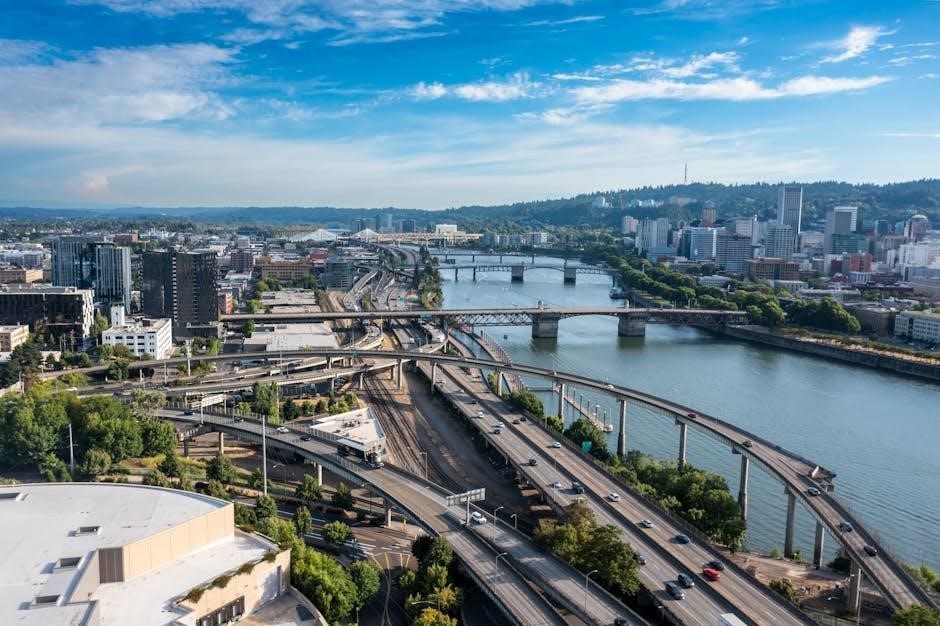
Precise river level data is paramount for a multitude of reasons across Oregon․ It directly impacts flood preparedness, allowing communities to anticipate and mitigate potential damage to infrastructure and property, as seen with recent flood warnings near Oaks Park and Portland’s waterfront․ Accurate forecasts are vital for protecting moorages and industrial areas․
Furthermore, this data is crucial for recreational users – anglers and boaters – ensuring safe navigation and fishing conditions․ Understanding streamflow rates (CFS) and gauge heights enables informed decisions, while water temperature data influences fish habitats․ Effective water resource management relies heavily on continuous monitoring and analysis of these key indicators․
Key Agencies Involved: USGS & NOAA
The U․S․ Geological Survey (USGS) and the National Oceanic and Atmospheric Administration (NOAA) are central to Oregon’s river monitoring network․ The USGS operates a network of streamgages – over 203 in Oregon – providing real-time data on streamflow, gauge height, and water temperature․ This data is fundamental for understanding water flow dynamics․
NOAA, through the Northwest River Forecast Center (NWRFC), focuses on predicting river conditions and issuing flood warnings․ The NWRFC utilizes advanced hydrological models to deliver short-term and regional forecasts․ Collaboration between these agencies ensures comprehensive data collection, analysis, and dissemination to the public and stakeholders․
Real-Time Data Sources
Access current Oregon river data through USGS streamgages, the NOAA Northwest River Forecast Center, and the Oregon Flow Report for up-to-date conditions․
U․S․ Geological Survey (USGS) Streamgages
The USGS operates a network of streamgages across Oregon, providing vital, real-time data on streamflow․ These gauges continuously monitor and record water levels, crucial for understanding river dynamics․ Data collected includes streamflow rate (measured in cubic feet per second ⎻ CFS), gauge height, and water temperature, updated hourly for many locations․
This information is publicly accessible and essential for flood monitoring, water resource management, and recreational activities․ Users can locate specific gauges and download historical data for analysis․ The USGS data forms the foundation for many river forecasts and alerts, contributing significantly to public safety and informed decision-making regarding Oregon’s waterways․ Access to this data is paramount for understanding current conditions․
NOAA Northwest River Forecast Center (NWRFC)
The NOAA Northwest River Forecast Center (NWRFC) builds upon USGS data to deliver comprehensive river forecasts for the Pacific Northwest, including Oregon․ They specialize in hydrologic forecasts, predicting river levels hours and days in advance, utilizing sophisticated modeling techniques․
The NWRFC provides short-term forecasts (next hour) and regional western river forecasts, crucial for flood prediction and water management․ Their Advanced Hydrologic Prediction Services offer detailed insights into potential river behavior․ Contact information for the NWRFC webmaster is readily available for inquiries․ These forecasts are vital tools for communities and individuals preparing for varying river conditions, ensuring safety and resource protection․
Oregon Flow Report: Streamflow & Reservoir Levels
The Oregon Flow Report is an essential resource providing current streamflow conditions and water data across the state․ It compiles data from 203 USGS gauges, offering vital information on streamflow rate, gauge height, and water temperature – updated hourly for near real-time insights․
This report is invaluable for understanding water flow dynamics, supporting outdoor activities, and ensuring public safety․ Accessing this data allows for informed decisions regarding fishing, boating, and flood preparedness․ The Oregon Flow Report serves as a central hub for comprehensive river data, empowering users with the knowledge needed to navigate Oregon’s waterways responsibly․
Understanding River Level Terminology
Key terms like gauge height, streamflow (CFS), and water temperature are crucial for interpreting Oregon river data and understanding current conditions effectively․
Gauge Height Explained
Gauge height represents the elevation of the water surface above an established datum, typically the gauge zero, at a specific USGS streamgage location․ It’s a fundamental measurement used to determine river levels, but doesn’t directly indicate the volume of water flowing․ Understanding gauge height is essential because it’s often the primary data point readily available for many Oregon rivers․
This measurement is crucial for correlating with historical data and flood predictions․ Higher gauge heights generally signify increased water levels, potentially leading to flooding, while lower heights indicate decreased flow․ However, gauge height alone doesn’t tell the whole story; streamflow rate (CFS) provides a more comprehensive picture of water volume․ Regular monitoring of gauge height allows for tracking river fluctuations and assessing potential hazards․
Streamflow Rate (Cubic Feet per Second ⸺ CFS)
Streamflow rate, measured in cubic feet per second (CFS), indicates the volume of water moving past a specific point in a river over a given time․ This is a critical metric for understanding river dynamics and assessing potential flood risks across Oregon․ Higher CFS values signify greater water volume and faster currents, impacting recreational activities and potentially causing hazardous conditions․
CFS data, provided by USGS streamgages, is essential for anglers, boaters, and emergency management personnel․ It complements gauge height readings, offering a complete picture of river conditions․ Monitoring CFS trends helps predict flooding, manage water resources, and ensure public safety․ Understanding CFS is vital for making informed decisions regarding river access and activities․
Water Temperature & Its Impact
Water temperature significantly influences Oregon’s river ecosystems and recreational opportunities․ Colder temperatures generally hold more dissolved oxygen, benefiting fish populations, while warmer temperatures can stress aquatic life․ Monitoring water temperature alongside streamflow provides a comprehensive understanding of river health․
Temperature impacts angling success, as different species thrive within specific ranges․ It also affects water density and stratification, influencing flow patterns․ Real-time temperature data, available through USGS and Oregon Flow Report, is crucial for anglers and researchers․ Changes in temperature can signal shifts in river conditions and potential ecological impacts, requiring careful observation and responsible river usage․
Current River Conditions & Flood Alerts
Recent alerts indicate potential flooding near Oaks Park and Portland’s waterfront, with river levels expected to reach sea-wall heights, demanding vigilance․
Recent Flood Warnings (Portland Area ⎻ Oaks Park)
As of February 2, 2026, the Portland area, specifically around Oaks Park, is under a flood warning․ Current forecasts predict inundation of the park itself, alongside potential impacts to nearby moorages and industrial zones extending from Oregon City through downtown Portland and into Northwest Portland’s industrial areas․
River levels are anticipated to rise significantly, potentially reaching 28․8 feet․ At this stage, flooding of portions of Waterfront Park becomes possible, and the situation requires close monitoring․ Residents and visitors should exercise extreme caution near the river and heed all official warnings and evacuation orders issued by local authorities․ Stay informed about evolving conditions through official channels․
Downtown Portland Waterfront Flood Potential
The downtown Portland waterfront faces a considerable flood risk as river levels continue to rise․ Forecasts indicate the potential for water to reach the top of the lowest section of the downtown Portland sea-wall, specifically around the 28․8-foot mark․
This elevation poses a threat of inundation to sections of Waterfront Park․ While not all areas will be affected, low-lying portions are particularly vulnerable․ Individuals frequenting the waterfront should remain vigilant and aware of changing conditions․ Monitoring near real-time hydrographic data is crucial for assessing the evolving situation and making informed decisions regarding safety and access․
Accessing Near Real-Time Hydrographic Data
Oregon’s water resources benefit from readily available, near real-time hydrographic data․ This crucial information, updated hourly, includes vital streamflow measurements and detailed gaging station specifics․ Access to this data empowers informed decision-making for various purposes, from recreational activities to critical flood preparedness․
Individuals can locate this data through dedicated online resources, providing a comprehensive overview of river conditions across the state․ Utilizing these tools allows for continuous monitoring of water levels and flow rates, ensuring timely awareness of potential changes and hazards․
Historical Data & Analysis
Explore past Oregon river levels and trends via downloadable data and statistics from active and inactive sites, aiding future predictions and understanding․
Locating Historical Streamflow Data
Accessing historical streamflow data for Oregon’s rivers is vital for comprehensive analysis and informed decision-making․ The USGS provides a robust platform for locating surface-water measuring sites throughout the state․ Users can download this data, viewing detailed statistics for both currently active and previously inactive gauging stations․
This resource includes crucial site information alongside published data, enabling researchers, anglers, and flood management officials to understand long-term river behavior․ Furthermore, the interactive map features a forecast displaying expected river levels within the next hour, offering a dynamic view of current conditions and potential changes․
Analyzing Past River Levels & Trends
Detailed analysis of historical streamflow data reveals critical patterns and trends in Oregon’s river systems․ Examining past river levels allows for a deeper understanding of seasonal variations, long-term fluctuations, and the impact of environmental factors․ This information is invaluable for predicting future river behavior and assessing potential flood risks․
By studying historical data, stakeholders can identify recurring patterns, assess the effectiveness of flood mitigation strategies, and make informed decisions regarding water resource management․ Understanding these trends is essential for protecting communities, infrastructure, and the delicate ecosystems dependent on Oregon’s rivers․
Using Historical Data for Future Predictions
Leveraging Oregon’s extensive historical streamflow records is paramount for accurate river level predictions․ Analyzing past data, combined with current conditions, enables the development of sophisticated forecasting models․ These models consider seasonal trends, precipitation patterns, and other relevant factors to anticipate future water levels with greater precision․
This predictive capability is crucial for proactive flood management, optimizing water resource allocation, and ensuring public safety․ By identifying potential risks and vulnerabilities, communities can implement effective mitigation strategies and prepare for anticipated events․ Accurate forecasts empower informed decision-making across various sectors, from agriculture to recreation․
River Level Forecasts & Predictions
Oregon’s river forecasts, from short-term hourly updates to regional hydrologic predictions, are vital for safety and resource management, utilizing advanced modeling techniques․
Short-Term Forecasts (Next Hour)
Accessing near real-time hydrographic data is paramount for immediate river condition awareness․ The Oregon flow report, updated hourly, provides critical streamflow and gaging station information․ This allows for monitoring of rapidly changing situations, particularly important during periods of heavy rainfall or snowmelt․ The map includes a forecast of river levels expected over the next hour, enabling quick assessment of potential impacts․
Clicking on a specific stream provides detailed information regarding the timing of peak flows and their anticipated magnitude․ These short-term forecasts are invaluable for recreational users, such as boaters and anglers, and for those needing to make immediate decisions related to flood risk mitigation․
Hydrologic Forecasts for Regional Western Rivers
NOAA provides comprehensive hydrologic forecasts extending beyond immediate hourly predictions, covering a broader regional scope․ These forecasts, available through the Northwest River Forecast Center (NWRFC), utilize advanced modeling techniques to predict river behavior over several days and weeks․ This extended outlook is crucial for long-term planning related to water resource management, agricultural operations, and infrastructure protection․
The NWRFC’s Advanced Hydrologic Prediction Services offer detailed insights into potential flood events and water availability across the Western United States, including Oregon, supporting proactive decision-making for communities and stakeholders․
Advanced Hydrologic Prediction Services
NOAA’s Advanced Hydrologic Prediction Services (AHPS) deliver sophisticated forecasts for Western Washington and Oregon, going beyond standard river level predictions․ AHPS integrates detailed hydrological models with real-time data from USGS streamgages and NWRFC observations․ This allows for probabilistic forecasts, indicating the likelihood of exceeding specific river stages․
These services provide critical information for flood risk assessment, reservoir operations, and emergency management․ Users can access detailed graphical displays of forecast scenarios, aiding in informed decision-making and proactive mitigation strategies for potential impacts․
Specific River Gauges of Interest
We’ve compiled frequently used Oregon river gauges for quick access to vital data, supporting informed decisions for fishing, navigation, and recreational activities statewide․
Frequently Used Oregon River Gauges
Accessing real-time river data is paramount for Oregon’s outdoor enthusiasts and those managing water resources․ Several gauges consistently provide critical information․ These include key locations along major rivers like the Willamette, Columbia, and Rogue․
These gauges offer continuous monitoring of streamflow rates (CFS), gauge height, and water temperature, updated hourly․ Utilizing these resources allows anglers to determine optimal fishing conditions, boaters to assess safe navigation levels, and authorities to proactively manage potential flood risks․
The Northwest River Forecast Center (NWRFC) and USGS streamgages are primary sources, providing comprehensive data for informed decision-making across the state․
Navigating Gauge Data for Fishing & Recreation
Oregon’s river gauges are invaluable tools for planning successful fishing trips and recreational activities․ Understanding streamflow (CFS) is key; higher flows often mean increased fish activity but potentially dangerous conditions for boating․ Gauge height indicates water levels relative to a fixed point, crucial for navigating shallow areas․
Water temperature significantly impacts fish behavior – colder temperatures can slow activity, while warmer temperatures can stress fish․ Regularly checking these parameters before heading out ensures a safe and productive experience․
Remember to cross-reference gauge data with local reports and forecasts for a complete picture of river conditions․
Contact Information: NWRFC Webmaster
For technical issues, data discrepancies, or website feedback regarding the Northwest River Forecast Center (NWRFC) data presented in this guide, please reach out to the NWRFC Webmaster directly․ Their expertise ensures the accuracy and accessibility of vital river information for Oregon․
You can contact them at:
- Address: 5241 NE 122nd Avenue, Portland, Oregon 97230-1089
- Telephone: 503-326-7291
- Email: nwrfc․webmasternoaa․gov
Prompt reporting of issues helps maintain the reliability of Oregon’s river level forecasts and data․
Safety Considerations & Resources
Prioritize safety with flood preparedness tips and river guidelines for boaters and anglers; access emergency contacts for Oregon’s dynamic river conditions․
Flood Preparedness Tips
Staying informed is paramount during potential flooding events․ Regularly monitor river levels via USGS streamgages and NOAA forecasts, especially during periods of heavy rainfall or snowmelt․ Develop a family emergency plan, including evacuation routes and communication strategies․ Assemble a disaster kit with essential supplies like food, water, medications, and a first-aid kit;
Secure valuables by moving them to higher ground․ Be aware of flood warnings and alerts issued by local authorities․ Never drive or walk through floodwaters – just six inches can knock you off your feet, and two feet can sweep a vehicle away․ Understand your property’s flood risk and consider flood insurance․ Stay tuned to local news and official sources for updates and instructions․
River Safety Guidelines for Boaters & Anglers
Prioritize safety when enjoying Oregon’s rivers․ Always check current river conditions, including flow rates and water temperatures, before heading out․ Wear a properly fitted personal flotation device (PFD) at all times while boating․ Be aware of potential hazards like submerged obstacles, strainers, and changing currents;
Inform someone of your plans, including your route and expected return time․ Avoid boating or angling during periods of high water or flood warnings․ Monitor weather conditions and be prepared for sudden changes․ Respect riverbank vegetation and avoid disturbing wildlife․ Practice Leave No Trace principles and pack out all trash․ Be mindful of potential hypothermia, especially in colder water temperatures․
Emergency Contact Information
In case of a river-related emergency, immediate action is crucial․ For life-threatening situations, dial 911․ Non-emergency incidents can be reported to local law enforcement agencies․ The National Weather Service (NWS) provides critical flood warnings and weather updates; their website is weather․gov․
The Northwest River Forecast Center (NWRFC) can be reached at 503-326-7291 or via email at nwrfc․webmasternoaa․gov for river-specific information․ Oregon Emergency Management (OEM) offers preparedness resources at oregon․gov/OEM․ Familiarize yourself with these contacts before venturing near rivers, and ensure you have a means of communication available․